

The fastest-growing home businesses share one advantage: they monetize skills, attention, and digital assets, not expensive inventory. That is why models tied to the creator economy and digital products are expanding quickly (creator-economy market estimates show strong growth into the late 2020s).
Separately, marketing budgets are increasingly shifting to creator-led content and performance partnerships, useful for anyone building a home business around content, influence, or selling digital products.
The “best” idea depends on your starting point (use this quick filter)
Choose your model based on what you already have:
What it is: You sell ready-made digital products (ebooks, templates, guides, video tutorials) online. Depending on licensing, you may resell with commercial rights or resell rights.
Why it works:
How to start (simple):
Pro tip: This model becomes extremely powerful when you later create your own digital products and keep 100% control of pricing, packaging, and updates.
Best for: teachers, marketers, designers, coaches, students, professionals.
Examples you can build quickly:
Platforms and ecosystem support for selling digital products is mature, and the model remains one of the most scalable home businesses.
What you do: Review, demonstrate, or recommend products/services and earn a commission per sale.
Works best when you:
Skills that sell immediately:
Startup cost: near-zero (laptop helpful, but many begin with a phone + cyber café support).
Businesses want customers, not “likes.” You can sell:
Niche down: salons, gyms, restaurants, realtors, clinics, schools.
You don’t need to be famous. Brands pay for:
This aligns with the broader shift in marketing toward creator-made content.
You design items (t-shirts, mugs, wall art) and a supplier prints/ships.
Low capital advantage: you don’t buy inventory.
Key success driver: strong niche designs (local humor, faith, events, professions).
Dropshipping still works, but only if you:
You can teach:
Monetize via: hourly sessions + packaged programs + recorded lessons (which later become digital products).
This is slower at first, but it compounds. One strong niche site can generate:
Start small with:
Your edge is content + trust + convenience. In Kenya, the ability to sell digitally is boosted by mobile money adoption and the general shift toward online purchasing.
Instead of selling “graphic design,” sell:
Why it’s strong: you can outsource delivery and focus on sales.
Services → Digital products → Trading/Reselling ecosystem
If you want the highest probability of success:
Which online business is easiest to start from home?
Digital products trading/reselling and freelancing are typically the fastest to launch because they avoid inventory and logistics.
What can I start with almost zero money?
Freelancing, tutoring, affiliate marketing, UGC content creation, and digital products (using free tools).
How do I pick a profitable niche?
Choose a niche where people already spend money to solve problems: health, money, exams/education, beauty, relationships, careers, tech skills.
If you want a model that’s low-capital, home-based, and scalable, prioritize digital products, either by creating your own or starting with digital products trading while you build skills, audience, and proof.
Discover more articles you might be interested in
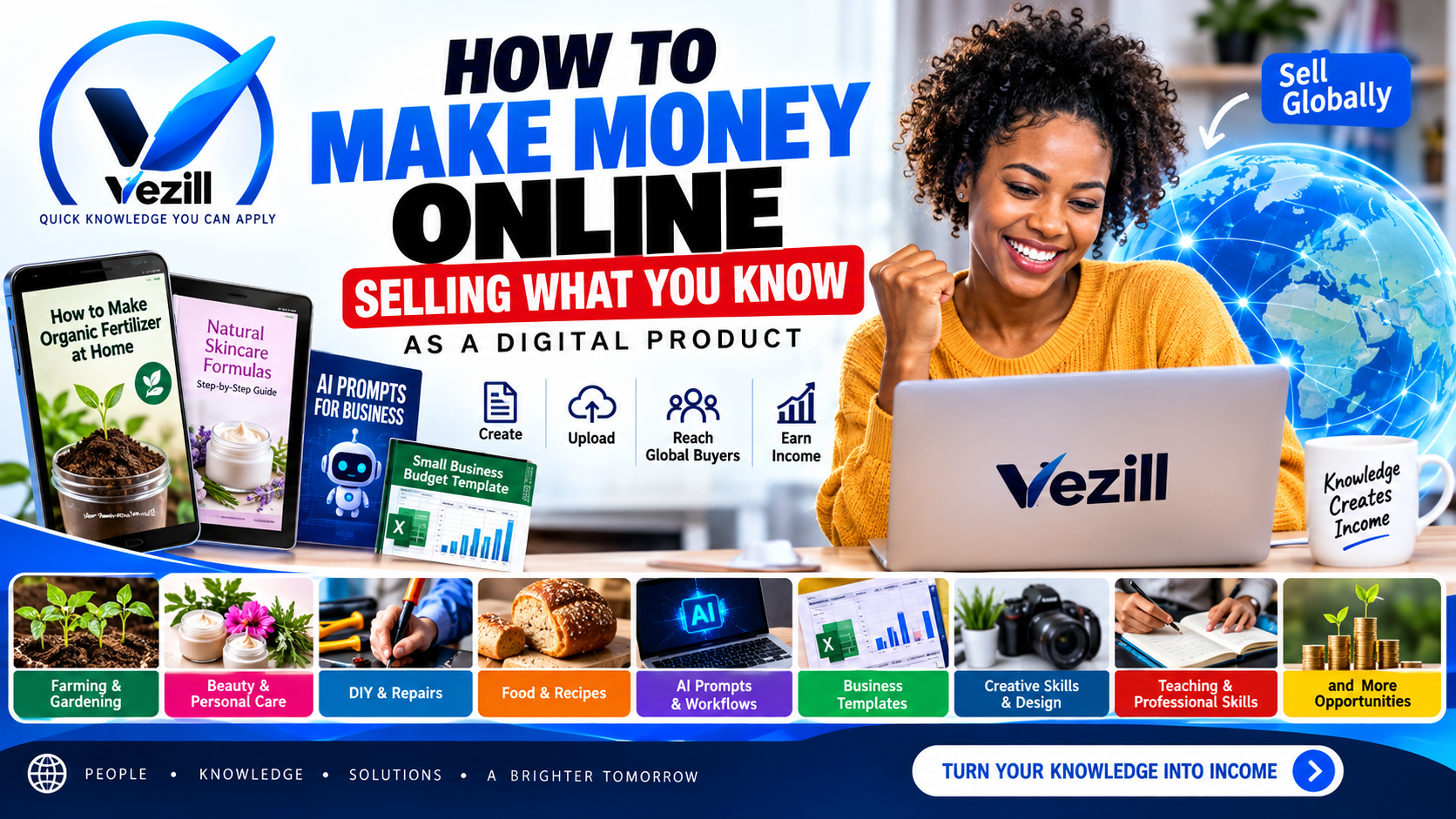
Learn How to Make Money Online Selling What You Know as a Digital Product

By Super Admin
How to Get Clients Online Without Paid Ads (2027)
By Davie
LinkedIn Marketing for Digital Products
By Davie
Pinterest Marketing for Digital Products
By Davie
Get the updates, on newly released, popular & fast-moving MRR digital products
Up to Top